



A hot cup tastes different when sunrise finds you swaying in a hammock. For coffee beans for hammock camping, the best pick depends on how you brew, how much gear you want to carry, and whether you prefer hot coffee or cold brew.
Chilled Iguana Coffee Co. has three useful options to consider: single-serve pods in two pack sizes, plus a coffee made for cold brew. Here’s who each suits, along with camp brewing tips that keep the setup simple.
1. 12 Pack Single Serve Coffee Pods
12 Pack Single Serve Coffee Pods are Chilled Iguana Coffee Co.’s smaller capsule pack. They’re a good fit if you want to try the Original Roast or pack coffee for a shorter trip without bringing a larger supply.
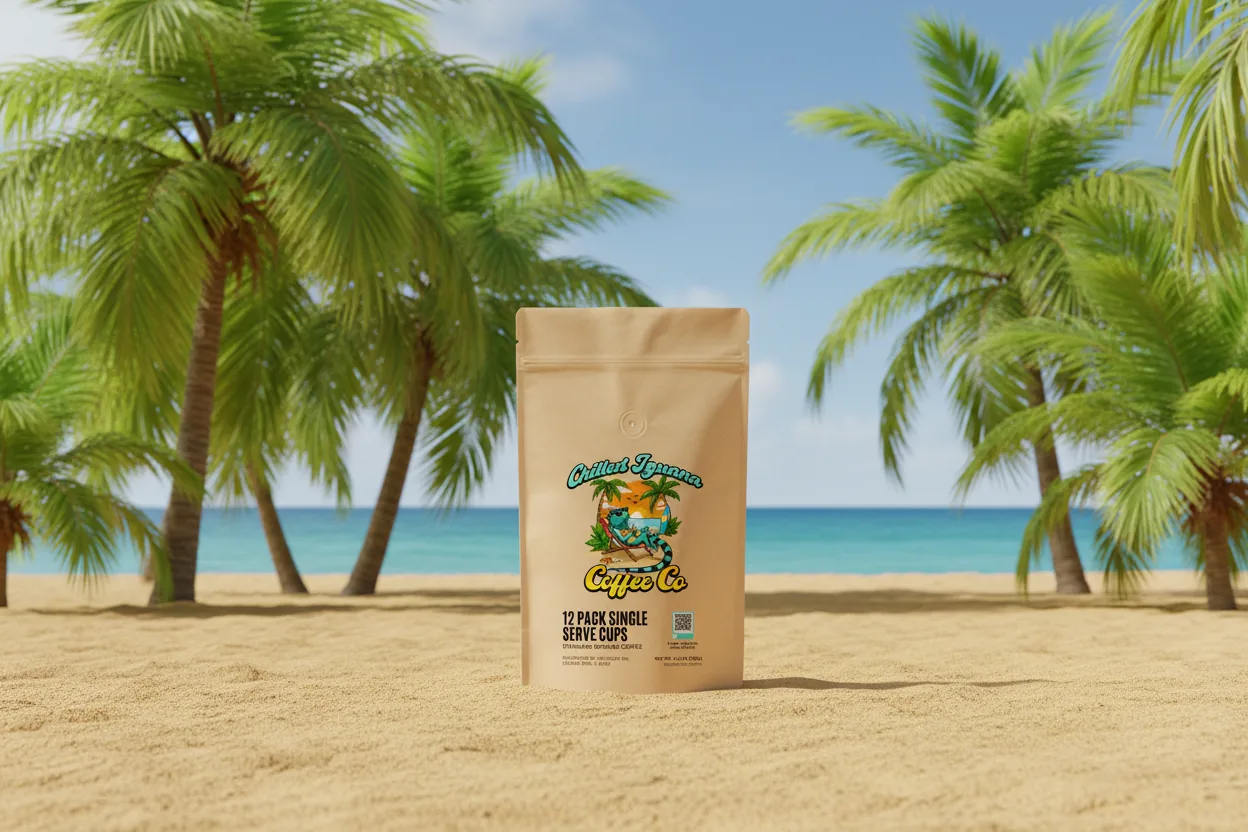
The capsules hold the brand’s signature Original Roast blend. Each capsule is sealed with no oxygen inside, which the product description says helps keep the coffee fresh. An improved filter is designed to absorb more grounds while keeping the brew moving at its usual pace.
The available option is listed as Standard grind, with a 12 Pack size. The current price is USD 17.99. Those details make the amount and cost easy to check before packing, but the listing doesn’t state capsule weight or total pack weight. So you can’t compare its trail load with loose grounds from the catalog details alone.
There’s one key gear question: you’ll need a brewing device that accepts these capsules. The product details don’t name a device or give compatibility information. Check your brewer before packing, and don’t assume the capsules fit a system just because it uses single servings.
For a first hammock trip, this smaller pack can help you test your routine without committing to a larger amount. Pack the capsules in a dry spot, then brew only when you’re settled on stable ground. Hot water and a swinging hammock are a poor mix.
2. 60 Pack Single Serve Coffee Pods
60 Pack Single Serve Coffee Pods use the same Original Roast capsule blend as the 12 Pack, in a larger pack. It suits campers who already use a compatible brewer and want more capsules on hand for several outings or a longer stay.
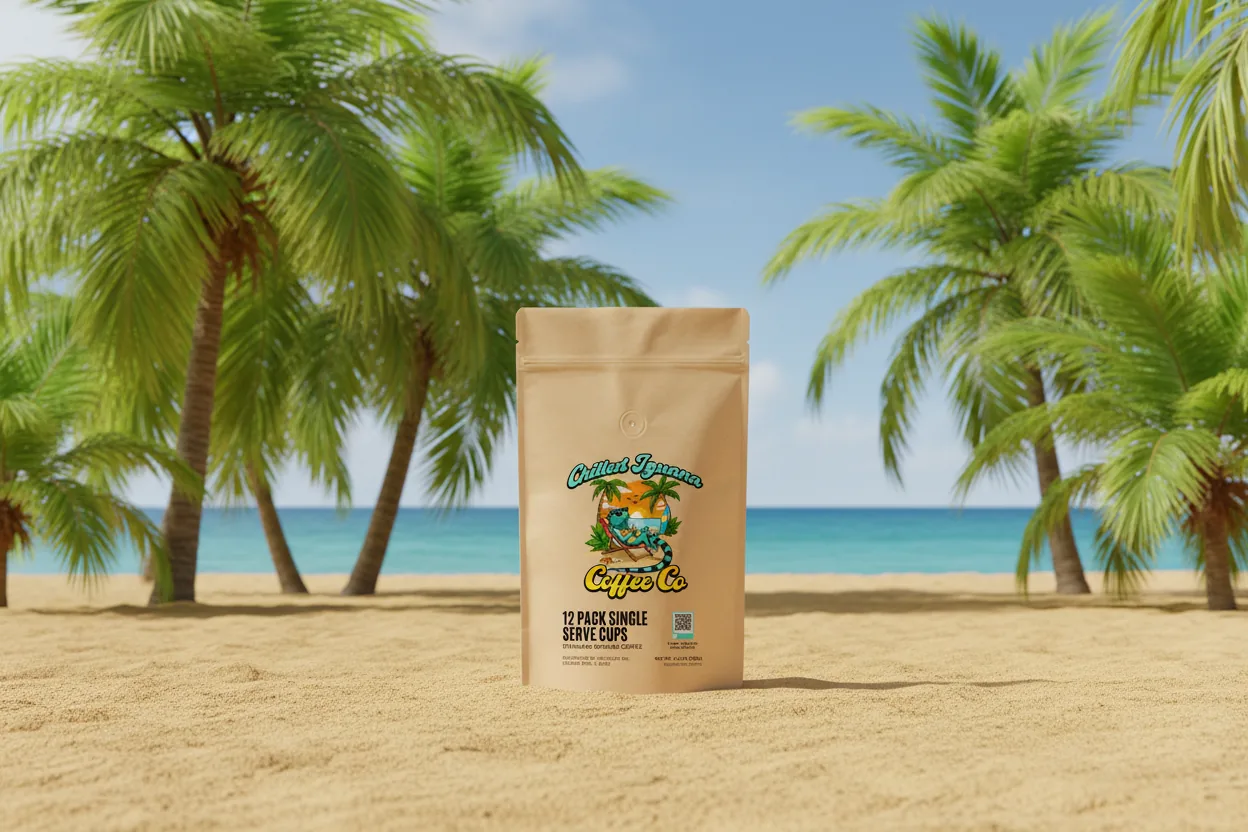
The catalog describes the same sealed, oxygen-free capsules and improved filter design. The filter is intended to absorb more grounds without slowing the brew. These are product details, not a promise about how much weight the pack adds to your bag. No capsule or pack weight is listed, so weigh your own packed setup if every ounce matters.
The listed size is 60 Pack, with Standard grind. The current price is USD 57.99. The blend matches the 12 Pack, so the choice between these two is mainly pack size, not a stated flavor difference. There’s no listed roast level beyond the name Original Roast.
Before buying, check whether your camp brewer accepts these capsules. Compatibility isn’t specified in the product listing. If your trip calls for a pour-over filter, a pot steep, or another loose-ground method, these pods may not suit the gear you plan to carry.
It’s also worth keeping the full routine in view. Capsules can simplify measuring at camp, but a capsule brewer adds a separate piece of gear. If that brewer is already part of your kit, the larger pack may reduce the need to portion coffee before each trip. If it isn’t, compare the brewer’s bulk with a small bag of grounds before settling on this format.
For hammock camping with a known compatible setup, choose this pack when the extra supply is useful. If you’re testing a new way to brew outdoors, start with gear you already understand.
3. Cold Brew Coffee
Cold Brew Coffee is the best match of these three for campers who like a chilled drink or want coffee that can be steeped ahead of time. Chilled Iguana Coffee Co. lists a 12oz size and two grind choices: Whole Bean or Standard.
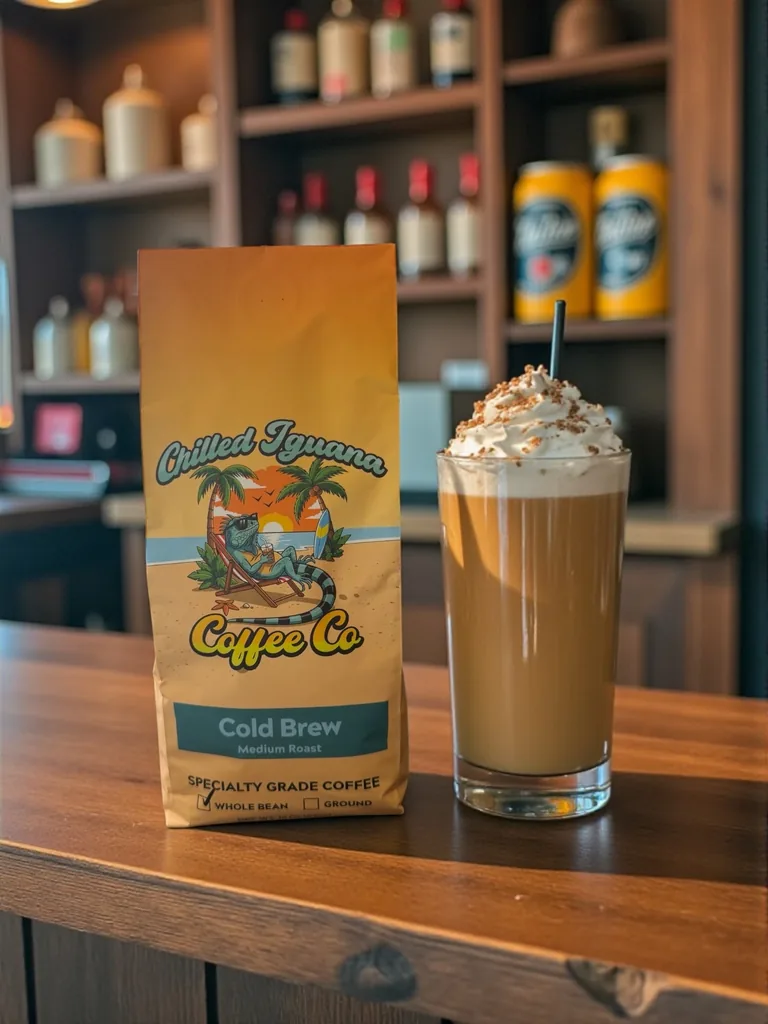
The flavor description calls it medium and smooth, with chocolate, toffee, and floral tones. The product is described as suited to cold brew or nitro. For cold brew, the catalog recommends a coarse grind and a 12 to 18 hour steep, then dilution to taste.
That long steep changes the timing of camp coffee. You can prepare the grounds and water before bed, then strain the brew in the morning. But it needs a vessel that seals well enough to travel without spilling. The listing doesn’t include a camp container or filter, so bring those separately.
Whole Bean works for campers who bring a grinder and want to grind before brewing. Standard is the alternate grind choice, though the listing doesn’t define its coarseness. For the stated cold-brew method, use a coarse grind. If you choose Standard, check the grind against your brewing plan rather than assuming it’s coarse enough.
The current price is USD 16.99. One limitation: this option won’t give you a hot cup straight from the steep. You could heat a prepared concentrate, but the product details don’t provide a hot-brew recipe. If your morning ritual depends on steam rising from the mug, one of the other brewing styles may fit better.
For warm-weather trips or a ready-to-pour morning drink, this is the most clearly specified choice. Pack it with a sealed steeping vessel and a way to filter the grounds.
Lightweight Brewing Methods and Gear for Coffee in a Hammock
Good coffee at camp doesn’t require a full kitchen. It does require a brew method that fits the coffee you packed and the gear you already carry. Hammock camping adds one more rule: do the hot-water work while you’re seated on stable ground, not while you’re moving in the hammock.
Pour-over suits a simple setup with a mug, filter, and a way to heat water. A small reusable filter can sit over the mug. Add grounds, wet them with a little hot water, then pour the rest in a slow stream. This method separates the drink from the grounds, but it asks you to handle a filter and pour steadily.
Tea-bag-style steeping is another light option. Put ground coffee in a clean reusable filter, tie it closed with plain cotton twine, then steep it in hot water for five to ten minutes. The transcript example uses roughly two tablespoons of grounds for about 16 ounces of water, but that is one camper’s recipe, not a fixed rule. Adjust the amount and time to your taste.
For a zip-lock-bag version, keep the coffee in a reusable filter rather than letting loose grounds float in the water. Put the filter in a clean, heat-safe cup or pot, add hot water, and steep. Don’t pour boiling water into a bag unless its maker says it can handle that heat. The bag is better used to carry dry coffee or contain the used filter.
A compact pot and stove let you heat water where you camp. A mug holds the brew. A small filter keeps grounds out of the cup. For each trip, decide whether the filter and extra vessel earn their space. A pour-over setup may need a separate mug; steeping in the pot may leave grounds to clean out.
Pour-over can cool quickly on a cold morning, especially if you pour slowly into a cold mug. Warm the cup with a little hot water first, then discard that water before brewing. If you’d rather keep the drink warm while it steeps, use a covered pot and check the brew so it doesn’t become stronger than you like.
Grind before you leave if you don’t want to carry a grinder. Whole beans need one; pre-ground coffee doesn’t. A hand grinder adds another item to pack, and the catalog doesn’t state weights for these products. A simple scale at home can help you compare your actual packed kit rather than guess.
Chilled Iguana Coffee Co.’s lightweight coffee gear tips for hammock travelers can help you plan the rest of the setup around the brew method you choose. Keep the kit small enough that making coffee feels like a pause, not a chore.
Coffee Beans for Hammock Camping: Grind, Storage, Temperature, and Trail Trade-Offs
The right grind depends on how you brew. Coarse grounds suit the cold-brew method listed for Chilled Iguana Coffee Co.’s Cold Brew Coffee. A pour-over usually works best with a grind that lets water pass through at a steady pace. If the water rushes through, the cup may taste weak; if it stalls, the cup may be too strong. Adjust the grind at home before taking it into the woods.
Roast details are limited across the shortlist. Cold Brew Coffee is described as medium. The pod listings call their blend Original Roast but don’t state a roast level. That means you can compare the cold-brew flavor notes, but you can’t reliably judge caffeine strength or roast taste from the product descriptions alone. Check the package details if those points guide your choice.
For a multi-day trip, keep coffee dry and sealed between uses. A small airtight container or a well-closed food bag can help keep moisture away. Portioning grounds at home also means you won’t need to measure beside the stove. Vacuum bags are another storage choice, but the product listings don’t say that any of these coffees come packed that way.
Storage choice is a trade-off. A larger container may be easy to open at camp but take more space. Individual portions are simple to use, though capsules still need a compatible brewer. There’s no listed weight data for the products here, so compare the packed coffee and its container on a kitchen scale before a long hike.
Water temperature affects the cup. Bring water to a boil, then let it settle briefly before pouring over grounds. In cold weather, a pre-warmed mug can slow heat loss. For steeping, keep the pot covered while the coffee rests, then taste before extending the brew. A few extra minutes can change the strength.
Instant coffee can be lighter to prepare because it skips a filter and separate grounds, but these three catalog picks aren’t instant coffee. Ground coffee gives you more control over the brewing method, while pods can simplify portioning if your brewer fits them. The better choice is the one that works with gear you’ll actually carry.
| Camp setup | Good fit | Trade-off to check |
|---|---|---|
| Compatible capsule brewer already packed | 12 Pack or 60 Pack Single Serve Coffee Pods | Brewer fit and total pack weight are not stated |
| Cold drink prepared ahead | Cold Brew Coffee | Needs a steeping vessel and a way to filter |
| Fresh grinding at camp | Cold Brew Coffee, Whole Bean option | A grinder adds gear; its weight isn’t listed |
| Hot pour-over at camp | A coffee with a suitable grind and a filter | These catalog listings don’t confirm pour-over compatibility |
Caffeine needs are personal, and the product descriptions don’t state caffeine amounts. If you’re hiking soon after breakfast, choose the strength you know works for you. If coffee late in the day disrupts your sleep, save the full cup for morning or pack a smaller serving.
Frequently Asked Questions
What coffee is easiest to pack for hammock camping?
The easiest choice depends on your brewer and how you measure pack weight. Coffee pods come in set pack sizes, while Cold Brew Coffee has a Whole Bean option and a Standard grind option. The listings don’t provide product weights. Weigh your coffee with its storage container and brewing gear before you decide which format suits your trip.
Should I bring whole beans or ground coffee camping?
Ground coffee saves you from carrying a grinder, while whole beans let you grind fresh if you bring one. For Cold Brew Coffee, Chilled Iguana Coffee Co. lists both Whole Bean and Standard options and recommends coarse grounds for its cold-brew method. For coffee beans for hammock camping, choose the format that fits your actual brewing gear.
How do you make coffee without a French press at camp?
You can use a pour-over filter or steep grounds inside a reusable filter, much like a tea bag. Heat water in a pot, add the coffee filter, then let it steep until the strength suits you. Keep loose grounds contained so they don’t end up in your cup, and handle hot water on stable ground beside the hammock.
How long should cold brew steep while camping?
Chilled Iguana Coffee Co. recommends steeping its Cold Brew Coffee for 12 to 18 hours with a coarse grind. Put the grounds and water in a sealed vessel before bed, then filter the drink in the morning and dilute it to taste. Pack a container that won’t leak, since the product listing doesn’t include steeping gear.
Conclusion
For a compatible capsule brewer, start with the 12 Pack; for a planned cold drink, choose Cold Brew Coffee. Check your brewing gear, then compare the current product details at Chilled Iguana Coffee Co. before packing for your next hammock trip.