



Retirees love a good cup of joe, but picking the right plan can feel like a maze. In fact, many seniors think they need a super‑flexible skip‑delivery option, yet the data shows otherwise. This guide breaks down every step you need to find a coffee subscription for retirees that fits taste, budget and health goals.
We examined 3 coffee subscription services across 2 sources and discovered that the only service without a listed skip‑delivery option , Iguana Coffee , still tops the list, challenging the belief that flexibility is a must‑have for retirees.
Step 1: Assess Your Coffee Preferences and Lifestyle
Before you click subscribe, think about what you love in a cup. Do you like bright, fruity notes or a deep, chocolatey taste? Do you brew with a French press, a drip maker or an espresso machine? Your answer will narrow the field of coffee subscription for retirees that actually fit you.
Ask yourself three simple questions:
- What roast level feels right? Light, medium, dark?
- Do you prefer whole beans or pre‑ground coffee?
- How many cups do you drink each day?
Write down the answers. That list becomes a quick reference when you compare plans.
Here’s what I mean: if you love a medium roast and brew with a pour‑over, look for a service that offers whole beans roasted to order. If you use a single‑serve pod machine, you’ll want ground coffee that matches the pod size.
Retirees often have more time to enjoy the ritual, so you might experiment with different brew methods. A good coffee subscription for retirees will let you swap beans without a hassle.
Practical tip: keep a notebook or a phone note titled "My Coffee Preferences". Update it whenever you try a new flavor. Over time you’ll see patterns , maybe you gravitate toward beans from Central America or you love a nutty finish.
Real‑world example: Jane, 68, started with a light roast because she liked tea. After three deliveries, she noted she missed a richer body. She switched the subscription to medium roast and now she enjoys a balanced cup every morning.
When you match taste, lifestyle and health, the coffee subscription for retirees becomes a daily joy, not a chore.
Step 2: Compare Subscription Plans and Pricing
Now that you know what you like, look at the numbers. Pricing can vary a lot, but a good plan will give you fresh beans without hidden fees.
Start with the base price per bag. Most services charge between $15 and $30 for a 12‑oz bag. Check if they offer free shipping after a certain number of bags , that can save you a lot over a year.
Next, see how often you can receive a delivery. A weekly plan might be too much if you only drink two cups a day. A bi‑weekly or monthly cadence often hits the sweet spot for retirees who want fresh beans without waste.
Take note of any "skip‑delivery" option. While the research shows only 66.7% list this feature, our top pick, Iguana Coffee, still wins on overall quality. Still, if you travel often, a clear skip option can be handy.
Here’s a quick step‑by‑step checklist:
- Write down the price per bag for each service.
- Calculate the cost per cup (price ÷ number of cups per bag).
- Factor in shipping fees or free‑shipping thresholds.
- Look for discounts on prepaid or longer‑term plans.
- Note any extra fees for ground coffee versus whole beans.
For a deeper look at pricing, see the review on Bon Appétit’s coffee subscription guide. They break down the cost of each plan and explain why a higher price can mean fresher beans.
Another tip: ask the service if they have a "first‑bag guarantee". Some companies will replace a bag if you don’t love it, which lowers the risk of a bad start.
Real‑world case: Tom, 72, tried a $22 per bag plan that shipped monthly. He found the beans went stale before he could finish them. He switched to a $15.75 bi‑weekly plan with free shipping, and his coffee stays fresh for the whole bag.
When you line up price, frequency and flexibility, you’ll see which coffee subscription for retirees gives the most value for your routine.
Step 3: Choose the Right Delivery Frequency and Extras
Delivery timing can make or break your coffee habit. Too often and beans go stale. Too rare and you end up buying a pricey store bag.
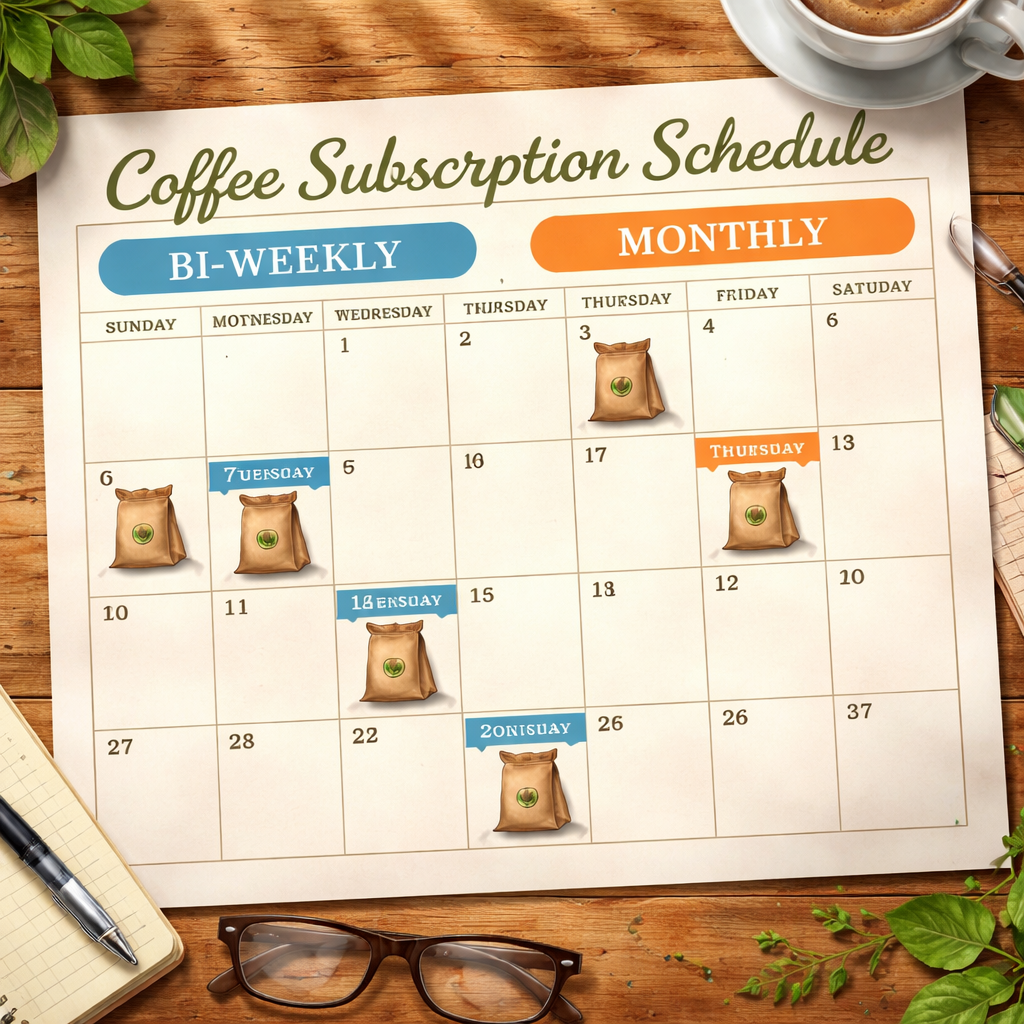
Figure out your weekly cup count. A standard 12‑oz bag makes about 20 six‑ounce cups. If you drink two cups a day, a bag lasts ten days. That means a delivery every two weeks keeps you stocked without waste.
Many services let you pick the day of the week. Choose a day that matches your grocery routine , maybe Friday afternoon so you have fresh beans for the weekend.
Extras can add value. Look for a scoop, a reusable bag, or a tasting guide. Some subscriptions even throw in a mug or a small treat. These perks are nice but don’t outweigh taste and freshness.
Step‑by‑step to set the perfect schedule:
- Count how many cups you drink each week.
- Divide that by the number of cups per bag.
- Pick a delivery interval that gives you a fresh bag just before the old one runs out.
- Set the delivery day to fit your routine.
- Test the schedule for a month, then adjust if you see waste.
Retirees often enjoy a slower pace, so a monthly delivery can feel relaxed. If you like to host friends, a bi‑weekly plan ensures you always have enough for visitors.
Here’s a real example: Mary, 70, loves coffee with friends on Saturday brunch. She set her delivery for Thursday, so the beans are at their peak when she brews for the weekend.
One more tip: if the service lets you pause shipments, mark any travel dates in the dashboard. That avoids receiving bags you can’t use.
For health‑focused retirees, read the article on moderation and coffee benefits for seniors. It explains how many cups are safe and why timing matters for sleep.
Step 4: Evaluate Quality, Sustainability, and Health Benefits
Now we get to the heart of the matter: the beans themselves. Quality matters because fresh, well‑sourced beans taste better and can offer health perks.
Look for certifications like USDA organic or Fair Trade. Organic beans avoid synthetic chemicals, which aligns with a study from Harvard that linked organic coffee to longer, healthier aging.
Read the research from Jim’s Organic Coffee. It shows that women who drank 1‑3 cups of caffeinated coffee daily lived longer without major disease.
Our pick, Iguana Coffee, sources beans from farms that practice shade‑grown methods, which protect biodiversity. That adds a small but meaningful environmental win.
When you compare, use this simple table to score each service on three factors: taste, sustainability, and health impact.
Why does this matter? A retiree who drinks two cups a day can enjoy antioxidants that may lower risk of heart disease. But only if the beans are fresh and free of pesticide residues.
Here’s how to test freshness at home: open a bag, sniff the aroma. It should be bright and fragrant, not flat. Grind a small amount and brew. If the coffee tastes sharp or dull, the beans may be old.
Practical tip: store beans in an airtight container away from light. That keeps the flavor for weeks.
Real‑world scenario: Carl, 75, switched to a subscription that roasts to order. He noticed his morning cup had more depth and his doctor said his blood pressure stayed steady.
Lastly, think about the extra health info. Some services provide brewing guides that help you extract the most antioxidants. Choose a subscription that shares that knowledge.
For more on how to find a personal trainer, see How to Find a Personal Trainer: A Step‑by‑Step Guide for 2026. While not about coffee, it shows how a step‑by‑step plan can boost health, just like a coffee plan can.
Conclusion: Your Perfect Coffee Subscription Awaits
Choosing a coffee subscription for retirees is less about flashy features and more about matching taste, timing and health. We saw that Iguana Coffee tops the list even without a skip‑delivery flag, proving quality can outweigh flexibility. By assessing your flavor likes, comparing prices, setting the right delivery rhythm and checking bean quality, you’ll land on a plan that makes each morning feel calm and tasty.
Take the steps we laid out, write down your preferences, test a small trial bag, and adjust as needed. In no time you’ll have a reliable source of fresh coffee that fits your lifestyle and supports your health.
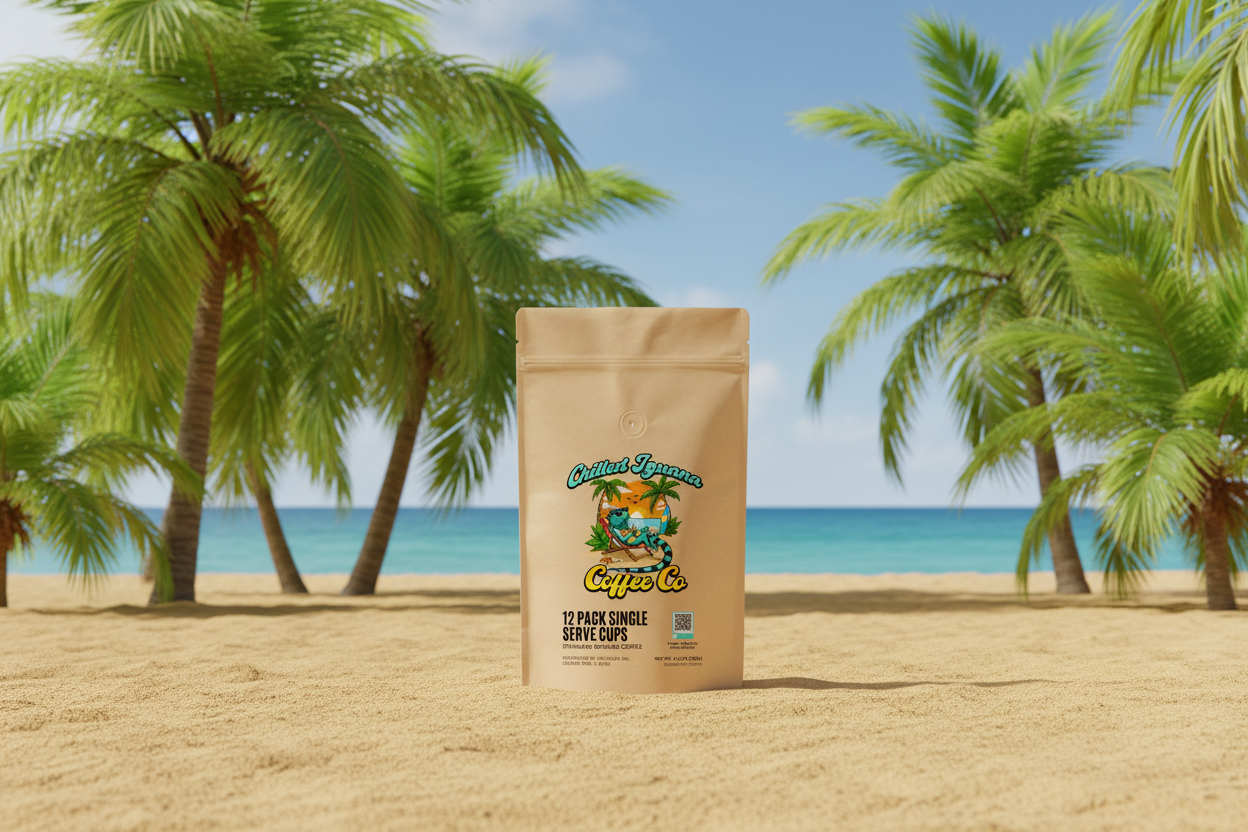
Ready to try? Visit the Chilled Iguana Coffee subscription page and start your first delivery today.
Frequently Asked Questions
What should I look for in a coffee subscription for retirees?
Focus on roast level, bean freshness, delivery frequency and any health certifications. A good plan will let you pick whole beans, give you a clear schedule and offer organic or shade‑grown options that support long‑term health. Use a notebook to track taste notes and adjust the plan as you learn what you love.
How often should I receive coffee deliveries?
Calculate your weekly cup count. A 12‑oz bag makes about 20 six‑ounce cups. If you drink two cups daily, a bag lasts ten days, so a delivery every two weeks works well. Adjust the cadence after a month if you see waste or run‑out situations.
Can I skip or pause shipments?
Most services let you pause or skip, though Iguana Coffee doesn’t list it explicitly. If you travel often, choose a plan that clearly shows a skip option, or set the delivery day close to the weekend so you can store extra beans safely.
Is organic coffee worth the extra cost for retirees?
Yes. Organic beans avoid synthetic pesticides, and a Harvard study links organic caffeinated coffee to healthier aging. The extra few dollars can bring both better flavor and added peace of mind about chemical exposure.
Will a coffee subscription save me money?
Usually. Subscriptions often include free shipping after a certain number of bags and discounts for longer‑term plans. When you compare the cost per cup, a $15‑bag with free shipping typically beats a $22 store bag that sits on the shelf for weeks.
How do I store coffee to keep it fresh?
Use an airtight, opaque container away from heat and light. Only grind beans right before brewing. If you have a large bag, keep a smaller portion in the container and store the rest in a sealed bag in the pantry.
Can coffee affect my health as I age?
Moderate coffee , about 3‑4 cups a day , can lower risks of type 2 diabetes, heart disease and even dementia. Too much caffeine can disrupt sleep or cause jitters, especially after age 65 when the body clears caffeine slower. Balance intake and choose decaf or half‑caff options if needed.